Shifts in Player Loyalty Dynamics Due to Integrated Social Features in Digital Gambling Applications
Blake Schulz · Sep 29, 2026
Shifts in Player Loyalty Dynamics Due to Integrated Social Features in Digital Gambling Applications
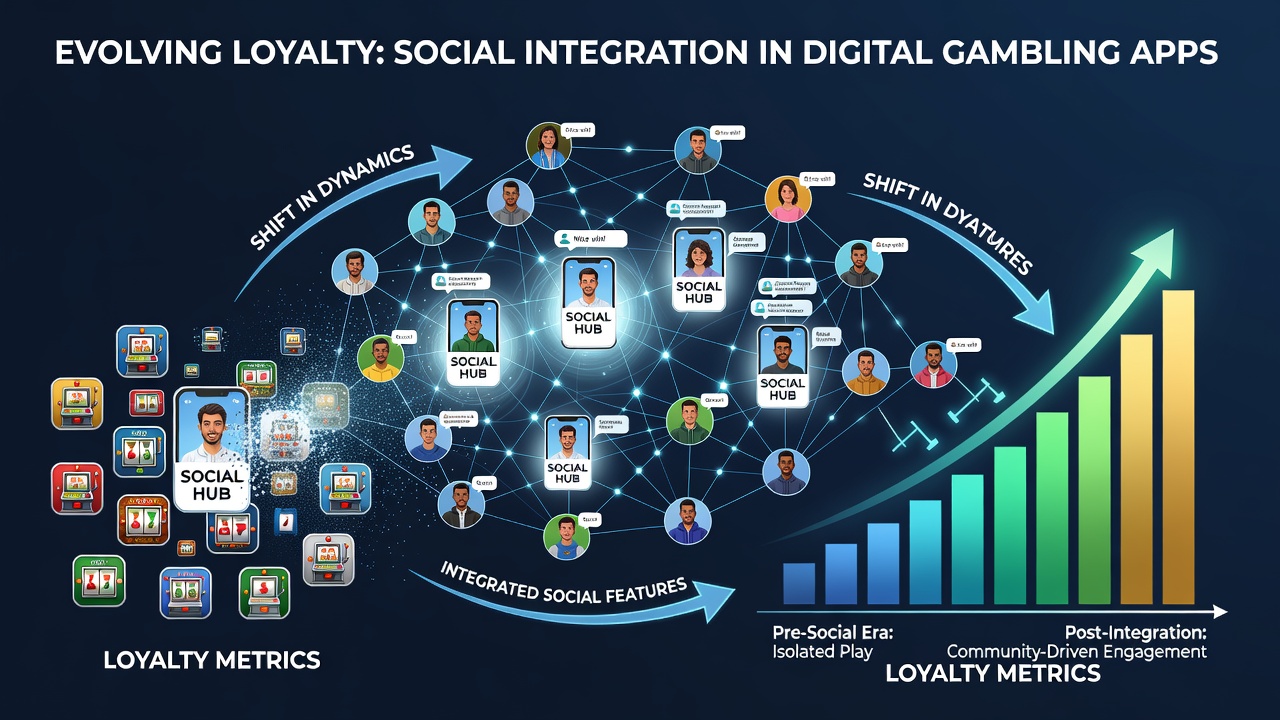
Integrated social features in digital gambling applications have altered how players form attachments to platforms, moving beyond traditional reward structures toward community-driven retention mechanisms. Data from multiple industry reports indicate that features such as in-app friend lists, shared win notifications, and collaborative challenges now influence session frequency and long-term engagement patterns across mobile and desktop environments.
Evolution of Social Integration in Gambling Platforms
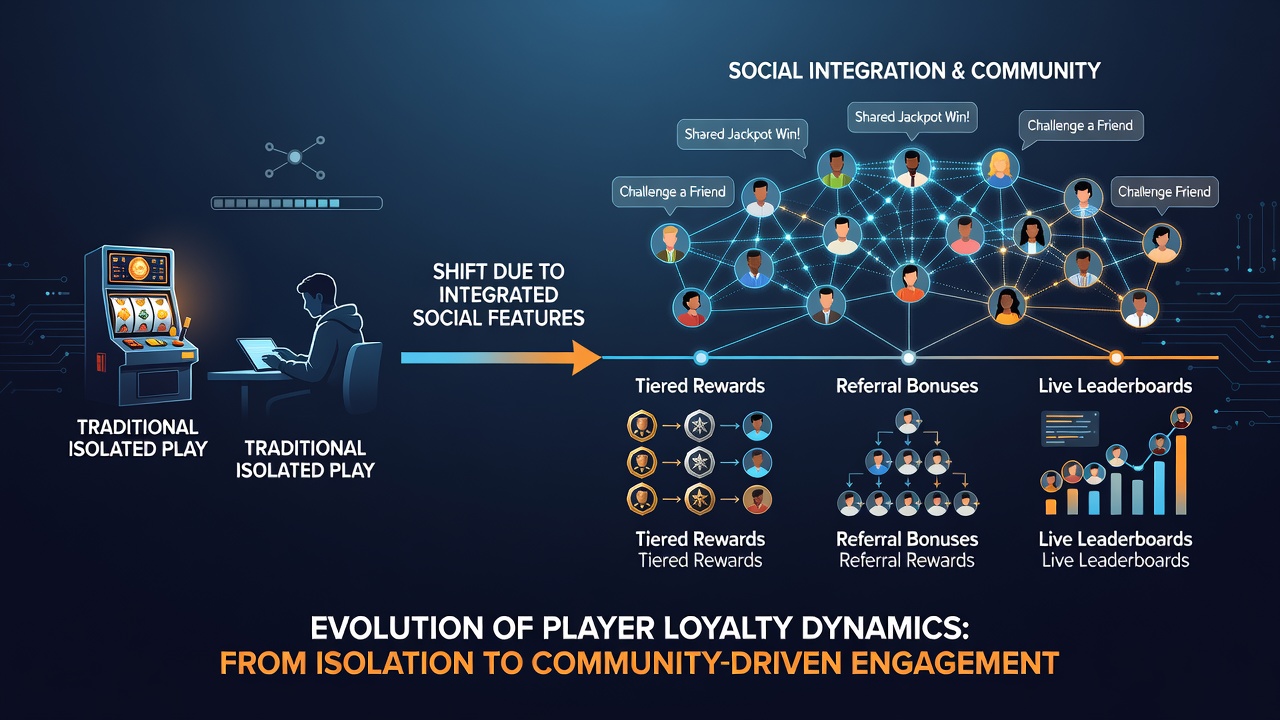
Early digital gambling applications relied primarily on bonus systems and loyalty points to maintain user bases, yet developers began incorporating social elements around 2018 as competition intensified. By September 2026, platforms routinely embed leaderboards that display real-time rankings among connected users, along with direct messaging tools that allow players to coordinate group bets or celebrate milestones together. These additions create layers of interaction that extend beyond individual play sessions, according to analyses from the American Gaming Association.
Players who participate in social features demonstrate higher rates of return visits compared to those who engage solely through solitary mechanics, researchers at the University of Nevada's gaming studies program have documented in longitudinal tracking studies. The shift occurs because shared experiences generate accountability and visibility that solitary play lacks, prompting users to maintain consistent activity to uphold social standing within their networks.
Measuring Changes in Loyalty Metrics
Traditional loyalty programs tracked metrics like deposit volume and game variety, but integrated social tools now add layers such as referral counts, group challenge completions, and comment interactions. Figures from the Australian Gambling Research Centre reveal that platforms offering social leaderboards saw average player retention periods increase by 22 percent between 2024 and 2026, while churn rates dropped notably among users who maintained active friend connections. These patterns emerge because visibility within peer groups reinforces continued participation, even when individual win rates fluctuate.
One study from the National Council on Problem Gambling examined how social notifications affect decision-making, finding that players receiving peer updates about wins adjusted their deposit patterns more frequently than those without such prompts. The data highlight connections between social visibility and spending behavior, though outcomes vary by region and platform design.
Regional Variations in Adoption and Impact
European markets have seen rapid uptake of social features following regulatory updates that permitted certain community tools, whereas North American operators approached integration more cautiously due to differing state-level restrictions. In Canada, provincial regulators have reviewed social elements in apps licensed through the Alcohol and Gaming Commission of Ontario, noting correlations between group features and extended play durations. Australian operators, meanwhile, report that social sharing functions must comply with strict advertising codes, which limits how wins get broadcast yet still allows private group interactions that sustain loyalty.
Observers note that platforms operating across borders often customize social modules to match local rules, resulting in uneven loyalty outcomes. For instance, users in jurisdictions with fewer restrictions on peer notifications tend to form tighter in-app communities, which in turn correlates with steadier activity levels according to aggregated telemetry from multiple providers.
Challenges and Platform Responses
Integrated social features introduce new variables into loyalty calculations, including the risk that negative interactions or peer pressure might accelerate disengagement. Developers have responded by adding moderation tools and opt-out settings for social feeds, which allow players to control visibility while still accessing core game content. Reports from the Canadian Centre on Substance Use and Addiction indicate that customizable privacy options help maintain broader user bases by reducing friction for those who prefer limited social exposure.
Yet platforms continue refining algorithms that suggest connections based on playing styles or preferred games, aiming to replicate organic community growth without overwhelming new users. These adjustments reflect ongoing efforts to balance social incentives with individual preferences across diverse player segments.
Conclusion
Shifts in player loyalty dynamics tied to social features continue as digital gambling applications evolve their community tools through 2026 and beyond. Evidence from regulatory bodies, academic institutions, and industry associations shows measurable effects on retention, engagement duration, and spending patterns when social elements integrate with core gameplay. Future developments will likely hinge on how operators refine these features while navigating varying international standards and user expectations.