How Legislative Updates Reshape Access to Instant Payout Networks in Virtual Reality-Enabled Betting Platforms
David Bauer · Aug 26, 2026
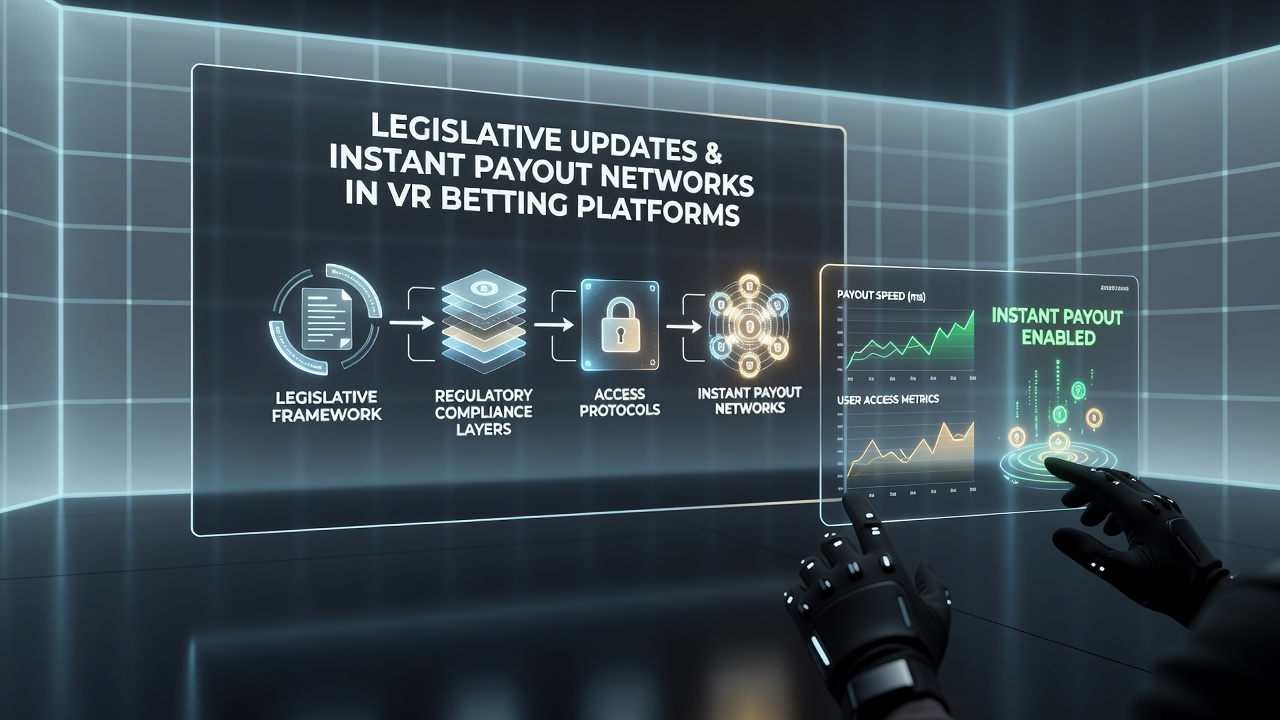
How Legislative Updates Reshape Access to Instant Payout Networks in Virtual Reality-Enabled Betting Platforms
Legislative updates across multiple jurisdictions have begun to alter how instant payout networks operate within virtual reality-enabled betting platforms, particularly as new compliance requirements take effect in 2026. These changes focus on transaction verification, cross-border data flows, and integration standards for immersive environments, which directly influence the speed and availability of withdrawals for users.
Key Regulatory Developments in 2026
State-level measures in the United States have introduced stricter identity confirmation protocols that platforms must embed into VR interfaces before processing instant payouts. Data from the New Jersey Division of Gaming Enforcement shows that updated rules effective August 2026 require real-time biometric checks within virtual spaces, extending processing windows in some cases while maintaining audit trails for all transactions. Observers note that these adjustments stem from efforts to align digital wagering with existing financial oversight frameworks.
In Canada, the Alcohol and Gaming Commission of Ontario has revised guidelines on digital wallet connectivity, mandating that VR betting operators segment payout requests by user location and platform type. This segmentation affects how networks route funds through instant systems, especially when users access platforms from multiple provinces. Figures reveal that operators have adjusted their backend infrastructure to accommodate these location-based filters without disrupting the immersive experience.
Effects on Platform Architecture and User Access
Virtual reality-enabled betting platforms rely on low-latency connections for seamless transactions, yet new legislative layers add verification steps that can introduce brief delays. Researchers at institutions tracking gaming technology report that platforms must now incorporate modular compliance modules into their VR environments, allowing instant payouts to proceed only after regulatory checkpoints clear. These modules connect directly to banking networks, ensuring funds move within established timeframes while meeting updated standards.
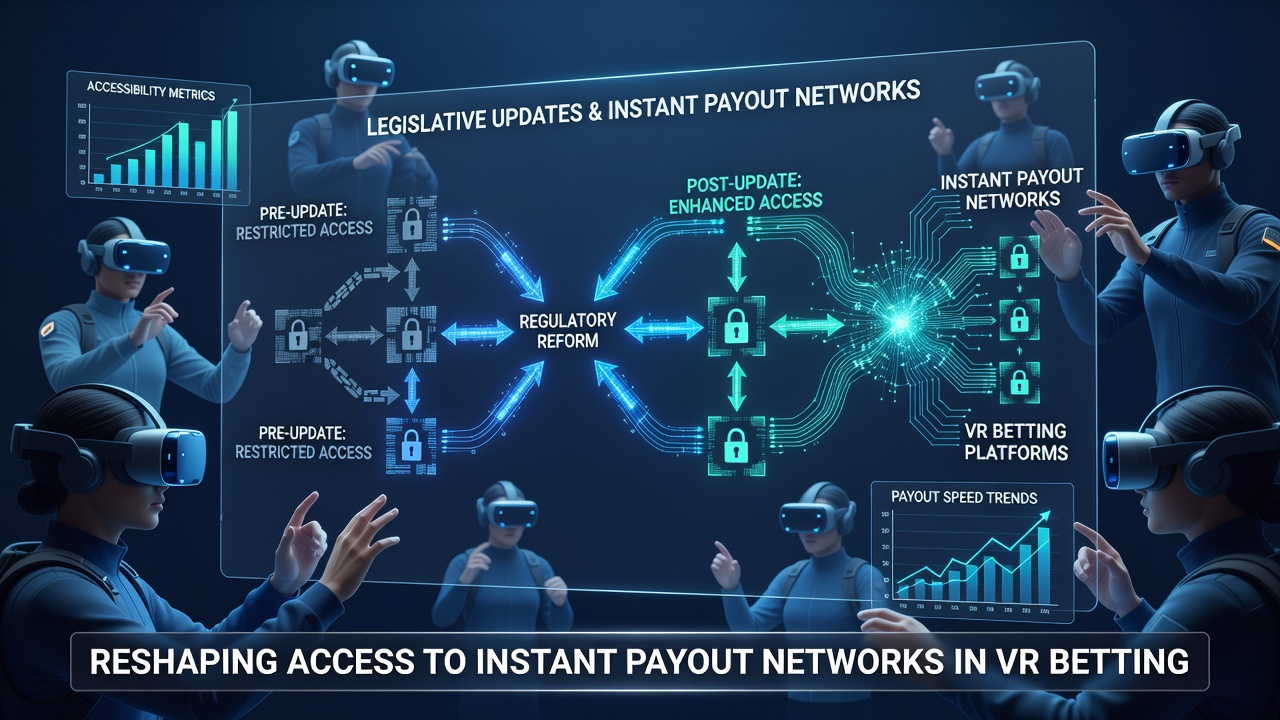
European operators face parallel pressures from directives that emphasize consumer fund segregation in virtual settings. Platforms operating across borders have reconfigured their payout networks to isolate VR-specific transactions, which helps satisfy varying national requirements. Those who have studied these shifts note that the changes encourage greater collaboration between technology providers and financial institutions to preserve payout speed.
Integration Challenges with Emerging Technologies
Legislative updates also intersect with blockchain-based verification tools that many VR platforms use to accelerate payouts. In regions where laws now require additional oversight of decentralized ledgers, operators have implemented hybrid systems that combine on-chain records with centralized reporting. This approach maintains the instant nature of payouts while generating the documentation demanded by regulators.
Industry reports indicate that platforms in Australia have encountered similar constraints, leading to partnerships with payment processors that specialize in regulated virtual environments. The result is a more standardized framework for accessing instant networks, though it requires ongoing adjustments as legislation evolves. Data shows increased investment in testing environments that simulate VR payout flows under new rules.
Regional Variations and Operator Responses
Differences in legislative timing create uneven access patterns across markets. Platforms serving users in multiple regions must maintain parallel compliance paths, one for each jurisdiction's payout rules. This setup allows instant networks to function where permitted while restricting features elsewhere until full alignment occurs. Experts have observed that operators prioritize markets with clearer guidelines to optimize their network investments.
By August 2026, several platforms had completed initial audits tied to these updates, revealing that VR interfaces needed specific code layers to handle payout triggers without breaking immersion. Those adaptations include embedded regulatory prompts that appear only during transaction initiation, preserving the core user experience.
Conclusion
Legislative updates continue to influence how instant payout networks connect to virtual reality-enabled betting platforms through requirements around verification, data handling, and infrastructure. Operators respond by refining their systems to meet these standards while sustaining transaction efficiency. As additional rules emerge in different regions, the structure of access to these networks will likely reflect ongoing alignment between technology capabilities and regulatory expectations.