Decoding Linkages Between Transaction Efficiency and Loyalty Tier Advancements in Mobile Live Gaming Environments
Jakob Reed · Sep 15, 2026
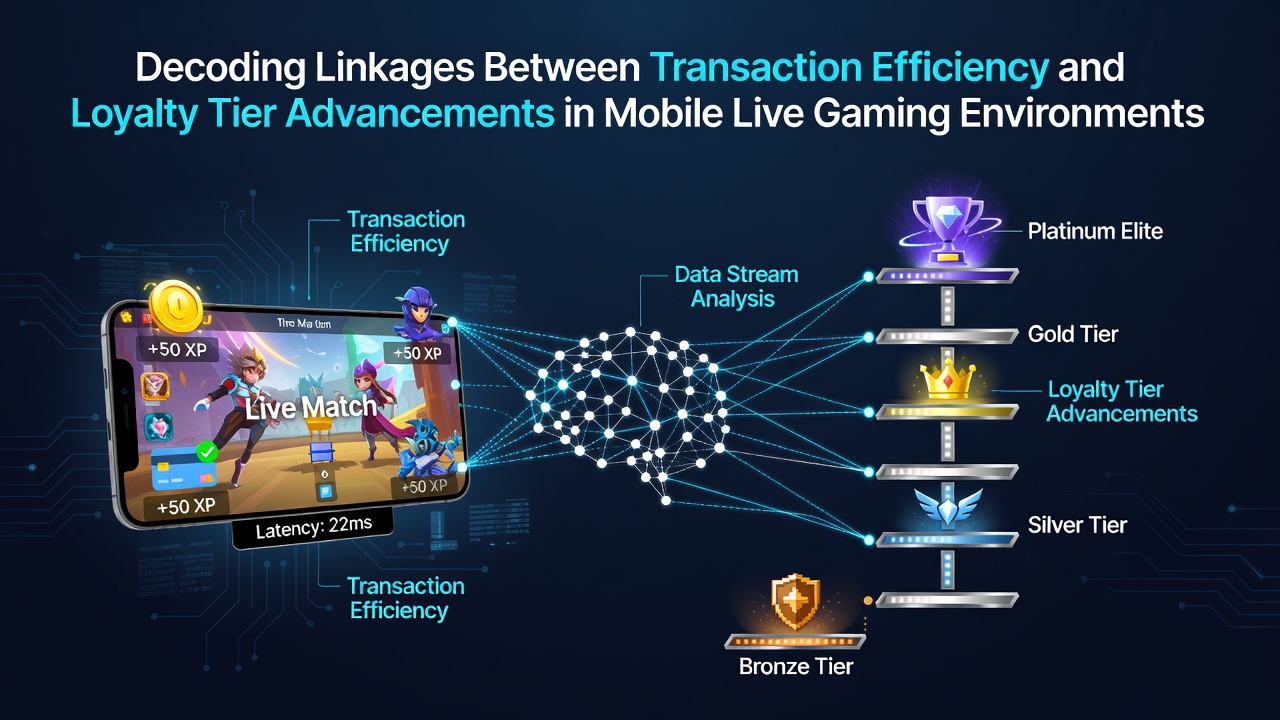
Decoding Linkages Between Transaction Efficiency and Loyalty Tier Advancements in Mobile Live Gaming Environments
Transaction efficiency in mobile live gaming refers to the speed and reliability of deposits, withdrawals, and in-game payments that allow players to move funds without interruption during live dealer sessions. Loyalty tier advancements track how quickly users climb from basic to premium status through accumulated points earned on bets, time spent, and other activities. Observers note direct connections between these two elements because faster processing reduces friction and lets players maintain momentum in sessions that reward consistent participation.
Core Elements of Transaction Efficiency
Mobile platforms handle live gaming through real-time data streams where payment gateways must confirm actions within seconds to keep tables running smoothly. Studies from various regions indicate that processing times under 30 seconds correlate with higher session durations while delays beyond two minutes often lead to user drop-off. Data released in September 2026 from multiple operators showed average deposit confirmation at 12 seconds across top applications compared to 45 seconds on slower systems.
Payment methods include digital wallets, instant bank transfers, and cryptocurrency options that bypass traditional clearing houses. Researchers at institutions tracking digital wagering found that platforms integrating multiple rails saw 28 percent faster average transaction cycles than those limited to single options. This speed matters because live games run on continuous rounds where missing even one sequence can reduce point earnings tied to active play.
Loyalty Tier Structures and Advancement Mechanics
Tier systems typically divide players into levels such as bronze, silver, gold, and platinum with each step unlocking better multipliers on points, exclusive tables, and priority support. Advancement depends on metrics like total wagered amount, frequency of deposits, and retention of funds within the ecosystem. According to Alcohol and Gaming Commission of Ontario reports, users who completed transactions in under 20 seconds accumulated points 35 percent quicker than those facing longer waits over a six-month tracking period.
Points accrue primarily from live table activity where each dollar bet converts at fixed rates that increase with tier status. Platforms adjust these rates quarterly based on aggregated user data yet the underlying requirement remains steady participation. Those who studied these patterns discovered that efficient fund movement directly supports the volume needed for tier jumps because players avoid interruptions that break streaks.
Observed Connections in Practice
Analyses of user logs reveal that transaction speed influences tier progression through two main pathways. First, quick deposits enable immediate re-entry into live sessions after a loss or break which preserves point accumulation rates. Second, fast withdrawals reduce hesitation about keeping balances active since users trust they can access funds when needed. Figures from New Jersey Division of Gaming Enforcement data illustrate that accounts with sub-15-second average processing times reached gold tier 22 percent more often than slower counterparts in the same calendar year.
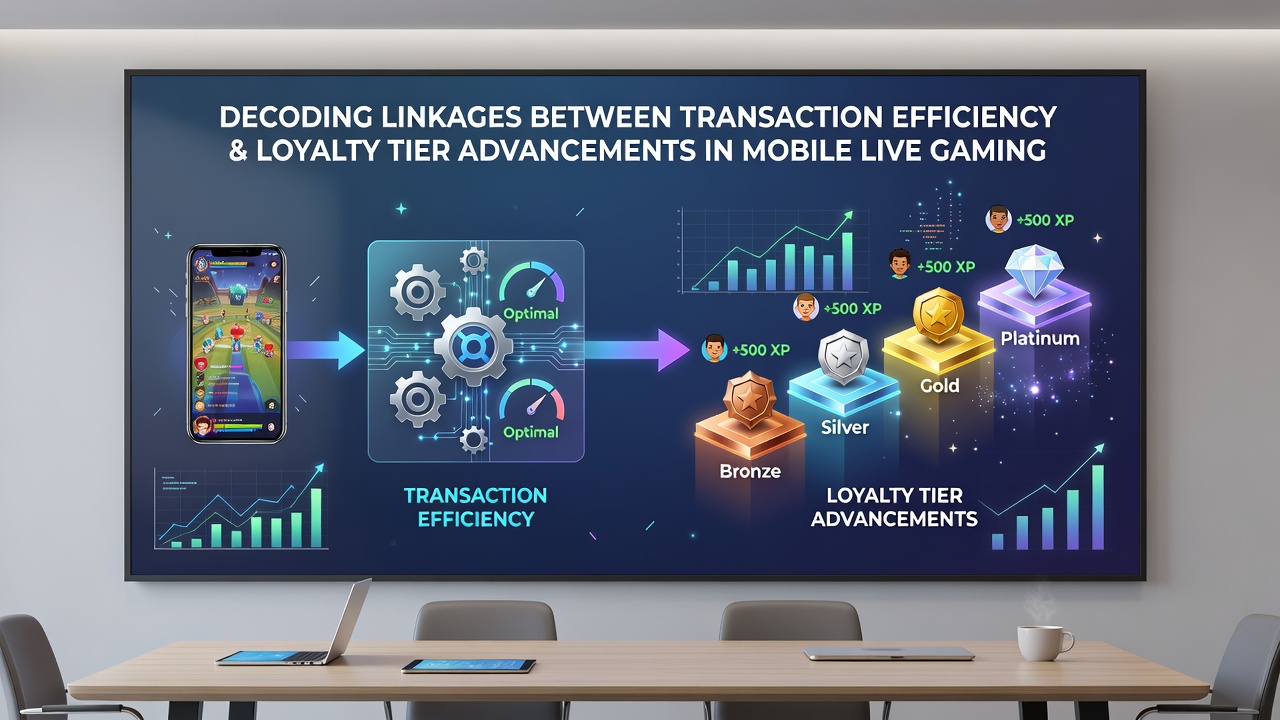
Case examples include operators who upgraded their payment infrastructure in early 2025 and recorded measurable shifts in tier distribution within months. One platform reported a 19 percent rise in platinum members after implementing instant bank verification while another saw similar gains following cryptocurrency integration. These shifts occurred because players could sustain higher bet volumes without pausing for approvals which directly fed into the point thresholds required for advancement.
Regional Data Patterns and Platform Variations
Differences appear across markets due to regulatory frameworks that govern payment timelines. Markets with streamlined licensing for instant methods tend to show tighter linkages between efficiency and loyalty metrics. In contrast areas with stricter verification steps experience more variable outcomes where tier progress slows during peak verification loads. September 2026 industry summaries noted that mobile live segments in North America and parts of Asia exhibited the strongest correlations while European operators showed moderate but consistent patterns.
Platform-specific factors such as API integrations with banking partners and internal queuing systems further shape these outcomes. Developers who optimized for mobile network variability reduced failed transactions by up to 40 percent which in turn supported steadier point earning. Those who examined cross-platform comparisons found that the most efficient systems combined automated fraud checks with tiered verification that speeds up for returning users.
Conclusion
The linkages between transaction efficiency and loyalty tier advancements rest on measurable operational data that shows faster processing supports uninterrupted play and higher point accumulation. Regional reports and platform metrics continue to document these patterns as mobile live gaming expands. Future developments in payment technology will likely refine these connections further while maintaining focus on compliance and user activity tracking.